familiar
use standard
scroll mechanics
scrolling as a form of
digital movement
This site is an attempt to make movement in digital space feel different. Not only through what you read, but the way you move through it.
scrolling
familiar
use standard
scroll mechanics
mode
activate alternative
scroll mechanics
note on perspective
This work emerged from a personal perspective. It is shaped by the technologies I grew up with, the devices I use, and the environment I live in. Digital movement, however, is experienced differently by people. Devices, physical conditions, and forms of technical access influence how we move through digital spaces. The following texts therefore do not describe a universal reality, but a personal approach to digital movement.
contents
a disturbance of stillness
My gaze falls on the tree outside my window. Even from the fourth floor, it nearly fills the entire frame. The rustling of its leaves is barely perceptible. When a gust of wind manages to lure it into motion, it begins to move with a calmness that leaves me irritated. It is a feeling that has slipped away from me lately, and only in that moment becomes tangible again.
After a brief moment, my gaze drifts back to the screen. A rapid sequence of images, impressions, and feelings passes me by, faster than I can process them. Keeping up has become the standard; nobody wants to fall behind. The flood of information opening up in front of me constantly demands new consumption, which brings me joy and yet does not write itself into my memory. “Capitalism really popped off today,” sounds from my iPhone as I lie in bed, exhausted, turning the volume down.
I do not want to give up the device or my access to this digital space. Its advantages are not what is in question here. And yet, within this space, different speeds apply, along with its own artificial rules. While the movements of the tree are shaped by light, wind, and season, this seems to be a space in which movement has no resistance, always ready for the next sprint.
When I go for a run outside, the trees along the street pass me by. I feel the ground shift from the earth of the park to the concrete street. My breathing intensifies, grows faster, swallowing becomes harder. I get warm and begin to sweat. The body provides points of orientation when it comes to experiencing speed. Like a kind of warning system, it makes sure we do not exceed a speed we could not physically sustain for long. We shift down, become slower, our breathing shallower.
Forward and backward, we run without exhaustion and without a point of reference for our speed.
In the digital, we have no breath to stop us and no sweat running down our forehead. A bodiless movement translated through scrolling. With a small movement of the thumb, we glide across smooth, optimized surfaces without obstacles. Forward and backward, we scroll without a point of reference for our speed.
But what happens to this movement when its points of orientation disappear? When distance disappears and speed can barely be felt? While the slow movements of the tree outside my window make me pause, digital movement often seems to pass me by without being perceived at all. The following texts and experiments are an attempt to follow these questions and make digital movement perceptible again.
when space resisted
Before technological acceleration through modern means of transport, even before the introduction of standardized timekeeping, human movement was largely determined by the landscape in which it took place. Flat plains accelerated movement, hills slowed it down, mountains forced it to change direction. The landscape itself structured movement and, with it, speed.
Movement needs points of orientation to make progress visible and to determine direction. Mountains, stars, buildings, or the sun served as visible anchors by which moving bodies could orient themselves. Only when a river had been crossed or a tower on the horizon drew closer did a feeling emerge of having actually covered distance. From such spatial points of orientation, a sense of time also emerged. Anyone who spoke of a day’s journey described time through movement. The experience of time was thus directly tied to space.
In crossing this space, our body, alongside landmarks, also became an instrument for measuring our movement. The fatigue of muscles, faster breathing, and eyelids growing heavy are, today as in the past, sensors of our speed. Movement was therefore structured not only by space, but also by the physical limits of those who passed through it.
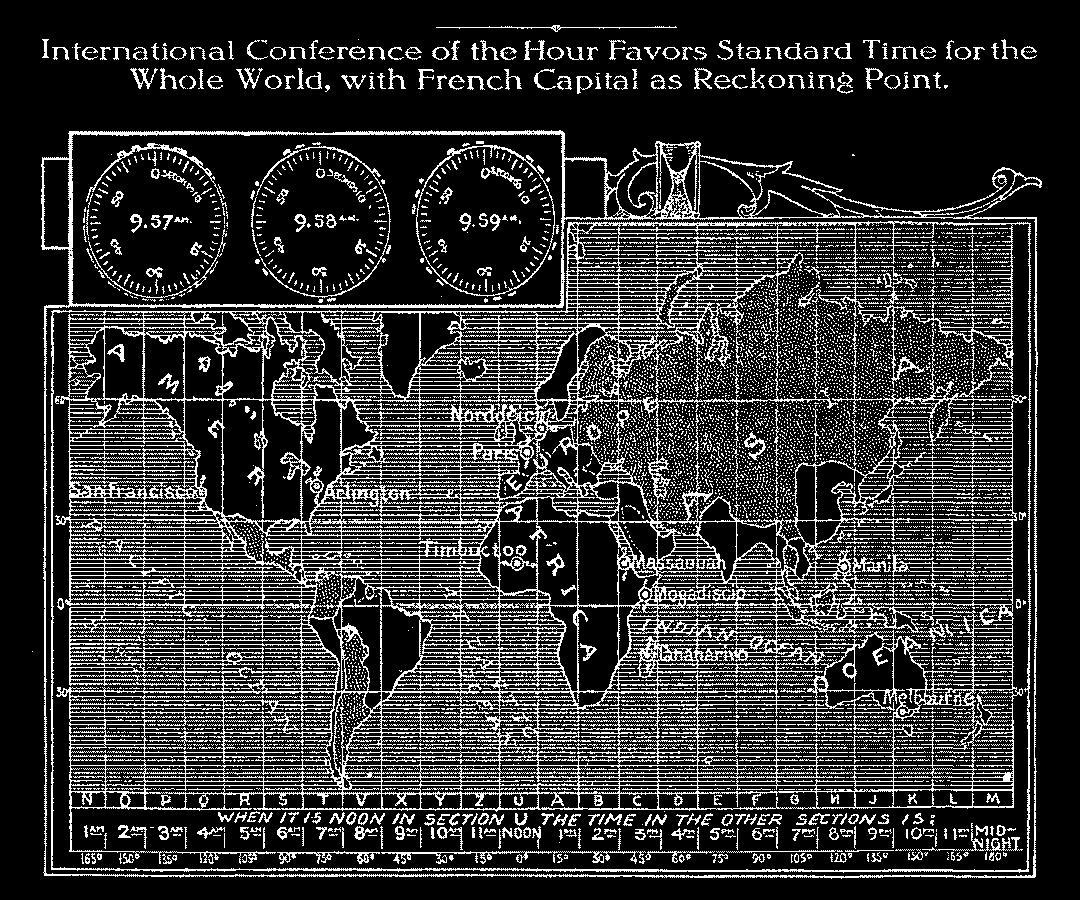
The emancipation of time from space, as sociologist Hartmut Rosa describes it in his book on the transformation of temporal structures in modernity, was made possible largely by the invention and spread of the mechanical clock. It allowed time to be measured independently of place and thus detached from space.1 In 1912, at the International Time Conference in Paris, a uniformly synchronized world time was introduced for the first time, establishing time as an independent and equal world dimension. Working hours and production rhythms were no longer determined by times of day or seasons, but by a single mechanical device.
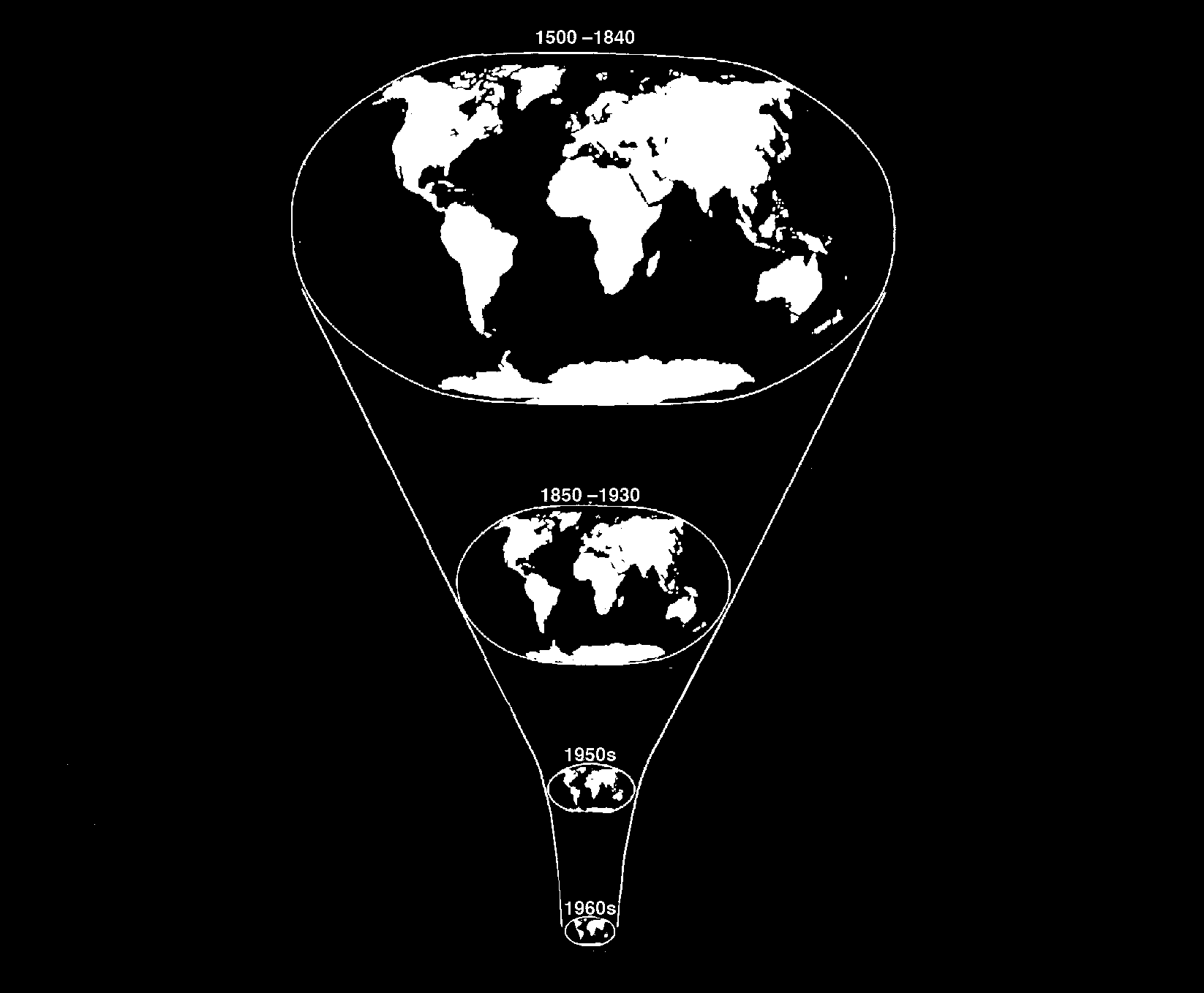
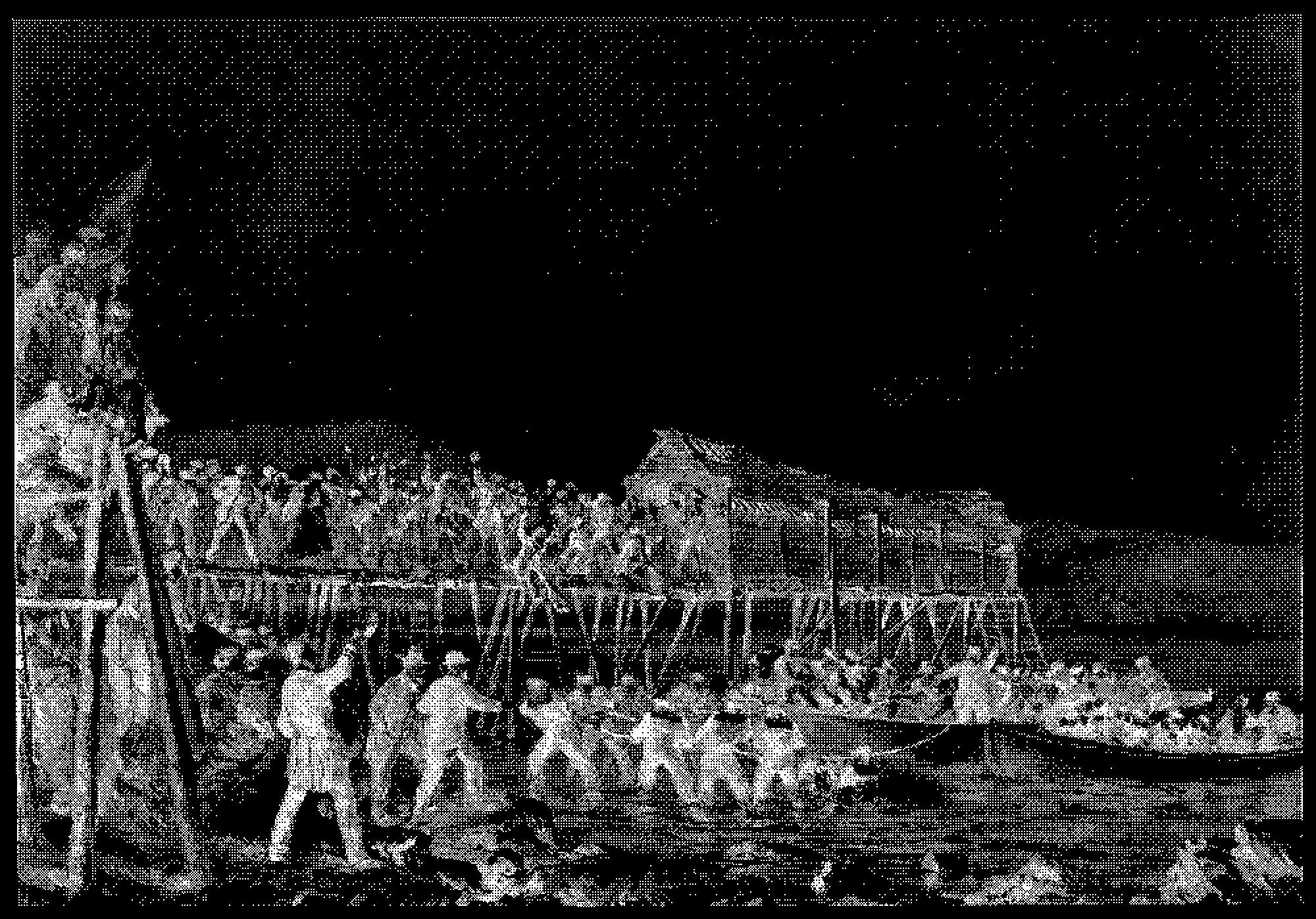
While this standardization changed our perception of time, it was above all the space in which we move that visibly shrank through the revolution of accelerated transport. Many technical innovations can be read as attempts to overcome spatial resistance. With the invention of the railway, distances could be covered in less time. Spatial distance thereby increasingly lost its significance. As historian Reinhart Koselleck shows through a Brockhaus entry on the railway: “For all spaces are distances for us only through the time we need to traverse them.”2 Journeys that had previously taken several days or weeks could now be completed within a few hours. With the later invention of the automobile and the airplane, this time-space compression developed to such an extent that, since the eighteenth century, the world has in a sense shrunk to one-sixtieth of its original size.3
This development, however, was not solely the result of technical innovations. It was also connected to the dynamics of modern capitalist societies, which depend on growth, efficiency, and a constant acceleration of production and exchange.
With technologically accelerated communication through the telephone and later the internet, we finally arrive at our present point of departure. Here, space seems to have long since become obsolete.4 Information no longer has to be transported through space, but appears immediately on our screens. The question is no longer how far away something is, but how quickly it becomes available. According to Hartmut Rosa, this revolution of transmission in a sense reverses the logic of the transport revolution.5 While the transport revolution aimed to move growing numbers of people and goods across the surface of the earth, transmission sought to multiply content and make it accessible from almost anywhere. In his essay “Rasender Stillstand,” Paul Virilio goes so far as to say that the techniques of the virtual environment ultimately leave us with the “loss of the full body.”6 What was previously experienced through distances travelled, physical exertion, and temporal duration is now largely mediated and concealed by digital infrastructures.
a stream of data
How do you describe a place that can neither be felt tangibly between your fingers nor carried toward you by a scent. A place that may sometimes overwhelm us, yet whose width, height, or depth we can never truly grasp. And in which our body receives hardly any indication of how fast we are moving or how far we have gone. It seems that the digital space withdraws from many of the qualities through which we usually perceive physical spaces.
Since the invention of cyberspace, we have tried to understand it better. We invent metaphors to create an image that we can grasp more easily. The internet becomes an information highway, platforms become virtual cities, and users become wanderers on their way through them.1 We all become geographers of digital space.2 We draw maps where there are no landscapes to admire, and lay paths where no distance exists.
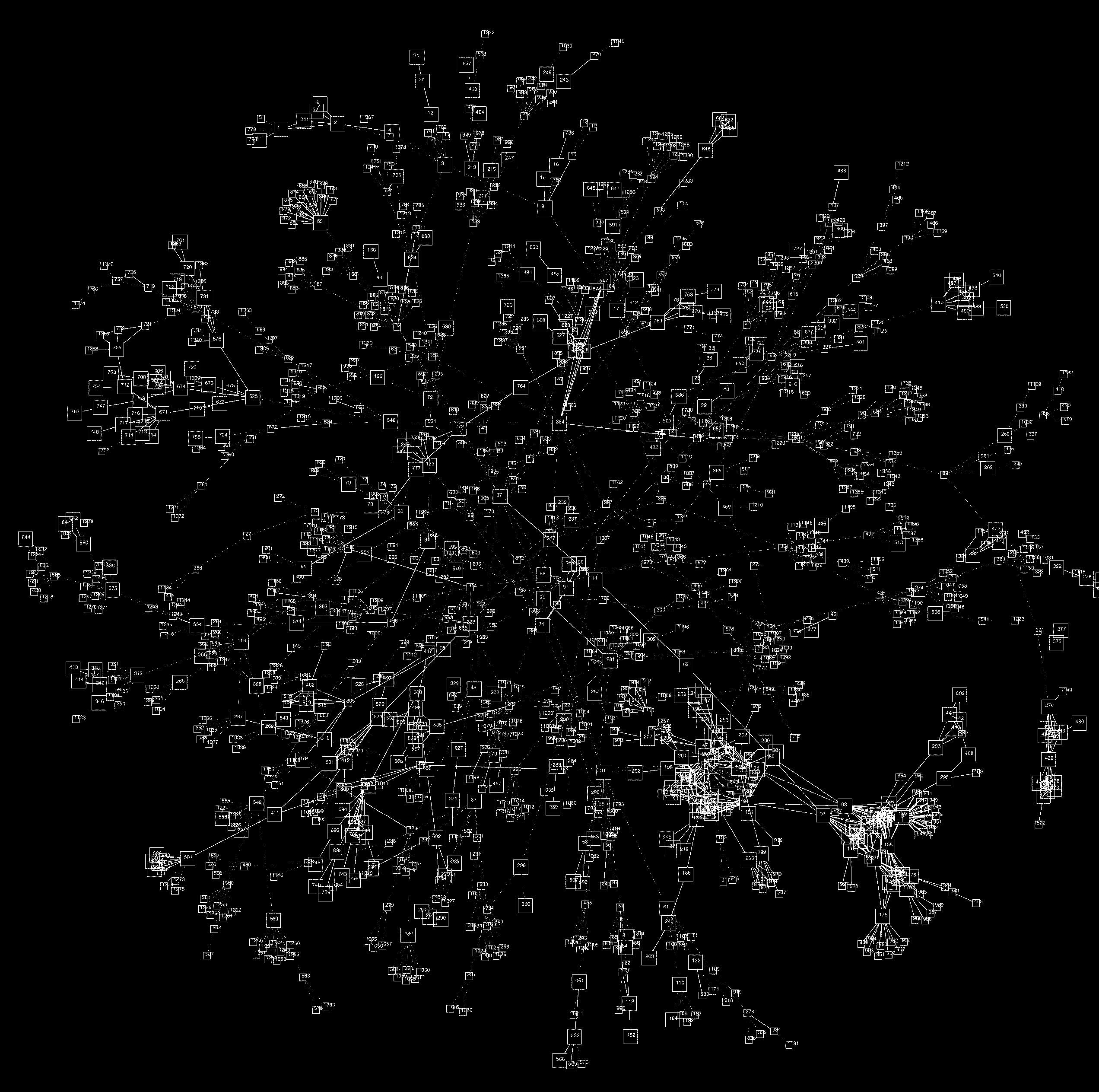
Yet these metaphors have long become more than mere aids. They shape not only how we think, but also how we move through interfaces and information. They suggest an orientation that we do not actually possess. Structures do exist in digital space that guide us: feeds, algorithms, visible markers such as likes or progress indicators. But they do not replace spatial or bodily orientation. When scrolling through a feed, we rarely know how far we have moved from our starting point or how large the space is through which we are moving. Instead, they direct our attention from one piece of content to the next, without following any real destination. Even if digital space is not a space in the physical sense, we still describe and design it through spatial terms.
Movement is no longer defined by distance travelled, but by the sequence of content. It appears and disappears, is replaced, shifted, and rearranged. Autoplay and endless loops of content pass through us. The content behind the next movement is not fixed. Recommendations change, posts disappear, new content is inserted. There seems to be no Minotaur at the center, because arrival does not seem to be an option. Information builds up in front of us faster than we could ever consume it. A stream of data that exists without end, in which consumption itself seems to become movement.
A state emerges in which the next thing is always already following. A before and after that never breaks off. Capitalism functions here as the engine of a system designed to generate more content and, with it, more attention. Platforms are optimized to bind consumers for longer. The consequence is a form of scrolling that does not stop. It continues without distance, without scale, and without perceptibility. The speed at which we move does not simply become faster; instead, a movement emerges without pause and without end. Detached from bodily and spatial orientation, we exhaust not only our bodies, but also our perception.
tools of orientation
As a designer, you become aware early on of how strongly the world around you is shaped by decisions that other people make for you. The objects we hold in our hands, the structures we are confronted with, or the spaces we pass through are based on design decisions. Even if they are sometimes perceived as given, and are often rationally justifiable, they are not truths given by nature.
Scrolling on the internet now seems to be one of those truths that exist almost invisibly and neutrally in our environment. Initially born from the practical necessity of making large amounts of information accessible on limited screens, it has developed into far more than a simple navigation tool. Scrolling shapes the way we perceive and consume digital content. To understand social and cultural change, McLuhan argues, it is not enough to look at content; it is just as important to understand how media themselves shape our perception.1
Looking back, the history of media is shaped by different forms of movement. While early media such as the papyrus scroll required a linear movement and continuous unrolling, the book introduced a non-linear mode of reading in which one could jump, turn pages, and navigate between chapters. Each medium enables different spatial, temporal, and bodily experiences.
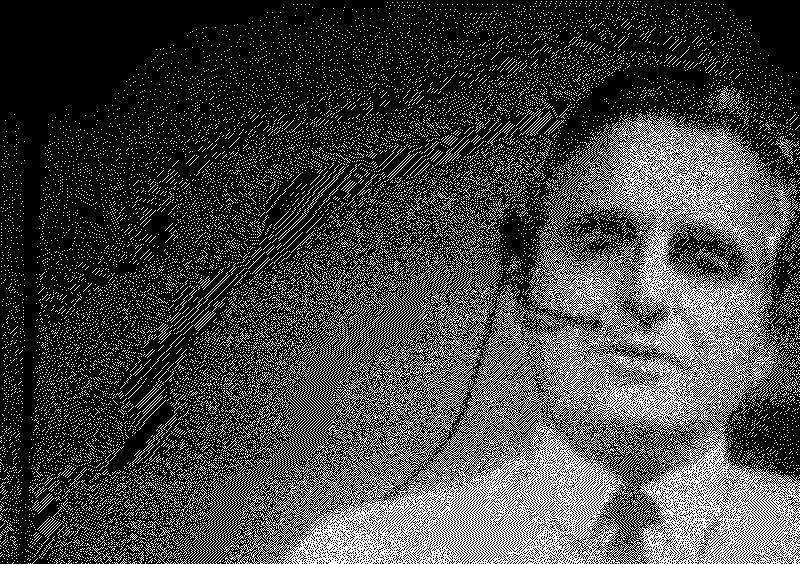
When Douglas Engelbart first presented elements of personal computing in the “Mother of All Demos,” he changed not only the relationship between human and computer, but also the nature of digital movement. The screen became an interactive space, the mouse an extension of the hand. Computers no longer served only for calculation, but became tools that expanded perception, orientation, and action. Engelbart understood these technologies as a response to a world whose complexity and speed were steadily increasing.2
»It was in the course of trying to broaden the bandwidth of the connection between humans and computers, incorporating both visual and motor skill dimensions, that I developed my most famous invention, the computer mouse.«3
With graphical user interfaces, the idea of a digital space through which users could move emerged for the first time. Windows, bars, and desktops translated information into familiar metaphors. The screen was no longer understood as a static surface, but as a section within a larger information space. The early scrollbar initially made this movement visible. It showed position, direction, and relation within a document. With the introduction of the scroll wheel, digital navigation increasingly shifted away from visible interface elements and toward a direct bodily movement of the hand.
Today, we scroll through news, music, or social media with a familiarity we have either trained ourselves into or grown up with. Scrolling became more continuous, more immediate, and eventually, with the touchscreen, so familiar that we rarely think about how we are actually moving.
A space that is now oriented toward endlessness also demanded a development in navigation. Infinite scrolling led to a digital world in which attention and consumption became the main criteria for measuring success, and in which doomscrolling became a kind of state of mind. Innovation is evaluated through efficiency. A monotonous form of movement, continuous, in which distance no longer seems to provide a measure and speed is barely perceptible.
The decisions that shape digital movement are neither accidental nor neutral. They influence how we move through information, how we perceive orientation, and how our bodies enter into relation with digital spaces. Interfaces can make new forms of use possible, but they can also privilege or exclude certain movements. Friction can create orientation or produce barriers.
This is not about returning to past forms of movement, but about differentiating digital movement itself. The following fields of experimentation therefore do not investigate more efficient forms of navigation, but other spatial, temporal, and bodily experiences of digital movement.
drafts of digital movement
Space
The first aspect that influences digital movement is the space in which it takes place. How we move always also depends on the environment that surrounds us. Paths, points of orientation, or boundaries help us estimate distances and determine positions. Digital spaces, however, do not possess these qualities on their own; they are designed. How does movement change in a space whose structure can be freely drafted? And how can orientation and spatial relations be made visible where otherwise only endless white surfaces often appear?
Measure
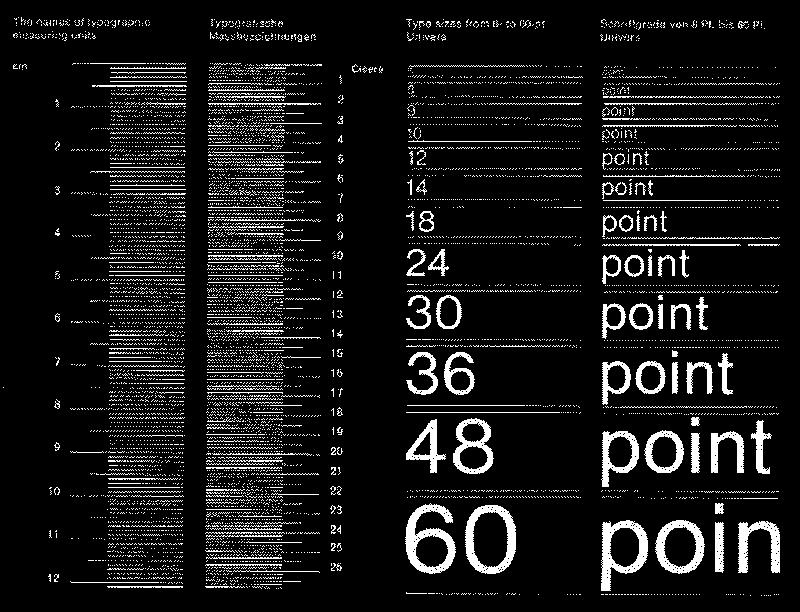
Numbers and systems of measurement have always made it possible to provide orientation where imagination alone is not enough. While the idea of a centimeter may vary slightly from person to person, units of measurement create a shared basis on which spatial perception can be shared and communicated.
My first experiment consisted of transferring this simple principle into digital space. The website is framed on the left and right by a measuring tape, while the cursor becomes a measuring line with which the otherwise abstract surface can be measured. Distances that normally remain hidden become visible and are placed into a familiar relation.
The experiment makes the distance travelled while navigating through digital space perceptible. At the same time, it creates a feeling for the dimensions of a space whose size is often difficult to estimate in everyday life.
Point of View
Our movement and our perception of speed are closely connected to our eyes. Peripheral vision allows us to perceive objects and movements outside the direct area of focus. This ability not only warns us of danger, but also plays an important role in spatial orientation. Changes at the edge of the field of view help us estimate speed, direction, and our own position.
The experiment transfers this quality into digital space. Typography is spatially distorted and changes toward the edges: it grows, tilts slightly, and comes forward more strongly. At the center, a calm area remains that corresponds to the focused gaze.
While moving through the website, this creates the impression of already being inside the space. The changes at the edge of the field of view make one’s own movement more conscious and give scrolling a stronger spatial presence.
Compass
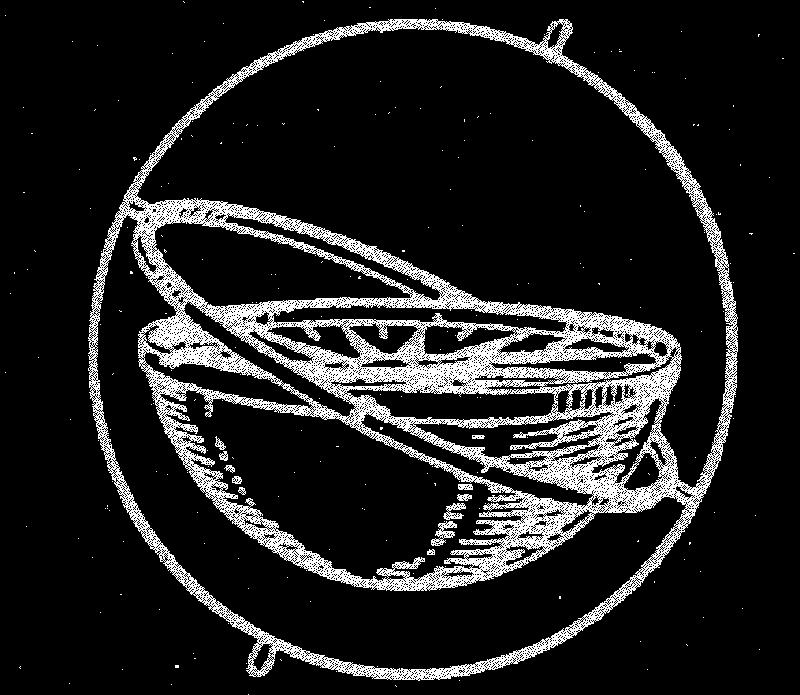
One very old tool for orientation is the compass. Even if it is rarely used in everyday life today, it answers fundamental questions of our movement: Where am I? Which direction am I facing? And where do I want to go? Through its relation to the cardinal directions, it places one’s own position within a larger space.
The experiment transfers this principle into digital space and connects it with the familiar properties of a magnetic field. The beginning of the website becomes north, its end south. East and west form resting points at which movement comes to a standstill. As one approaches the poles, the speed of navigation changes.
To move through the website, the viewer has to orient themselves. The device is turned, one’s own position changes, and a direction is chosen. Navigation no longer emerges solely on the screen, but in the relation between digital and physical space.
Object
Most digital interfaces still follow the logic of a window. We look through a section into a space that continues behind it without ever being able to grasp it completely. Orientation emerges only partially. We rarely know how large this space is, where it begins, or where it ends.
The experiment releases the website from this window logic and turns it itself into an object in space. Scrolling no longer serves to move from top to bottom, but changes the distance between viewer and website.
Like a physical object, the website can be grasped and shifted. Through its complete display, its extension becomes visible. Beginning and end, height and width can be perceived at the same time. Orientation does not emerge here through movement through a space, but through the relation to the website itself as an object.
Time
The second aspect I want to examine is time. Although it structures our everyday life, it remains an abstract concept with many meanings. It can be experienced as a measurable unit, as a personal feeling, or as a natural rhythm. While time constantly accompanies our movement in the physical world, in digital spaces it usually recedes into the background and appears at most as a small number in the corner of the screen.
How can time once again become a perceptible part of digital movement? How can orientation be created not only through space, but also through temporal processes? And how can design help make time in digital space experienceable rather than merely displaying it?
Cycle
Before time became graspable through numbers, there was a cycle that structured our lives. It determined not only movement and activity, but above all the pauses in between. Darkness was not merely the absence of light, but a boundary that slowed, postponed, or made actions impossible.
Within digital space, this cycle barely exists anymore. Content is available at any time, interfaces remain more or less constant regardless of time of day or environment. Night, resistance, and interruption are not provided for here.
The experiment takes up the current local time of the device being used in order to simulate the cycle of the sun. At night, the website becomes barely usable. Only at sunrise do rays of sunlight slowly illuminate the visible section of the website again.
Waiting
Focusing on something and understanding it takes time. Superficiality is one of the major problems of scrolling. We move through masses of content without truly going deeper. Letting the gaze rest on something for longer rarely seems to be the goal.
The experiment begins with a white surface that seems to stand in fog. Only a small cross in the center indicates that one is moving. The contents of the website initially remain invisible. Only through waiting itself do elements emerge, become visible, and force users to pause for a moment before jumping to the next thing.
Ghost
There are moments in which one can feel how disoriented we are. Movement becomes so fast that one no longer knows what one was just looking at. Information, images, and headlines blur into one another.
In this experiment, the speed of movement is tied to the position of individual elements of the website. Scrolling too quickly shifts them, makes them overlap, and renders them unreadable. A feeling of disorientation emerges and forces viewers to pause for a moment until the elements return to their proper place.
Clock
Today, time is a valuable resource that is competed for on the internet. Every platform and every website tries to draw attention to itself. How much time we actually spend there, however, usually remains invisible. Hours on platforms like TikTok can feel like seconds, while longer texts are often abandoned after only a few minutes.
The experiment demands an exchange with the viewers. They decide for themselves how much time they want to give the website. Once a time has been activated, the website scrolls once completely through its content from the current position.
In this way, time is not only measured, but made visible. The distance travelled suddenly stands in direct relation to the time invested and makes it possible to experience how long a movement through digital space actually takes.
Body
The third aspect I want to examine more closely is the body. It is one of the most important tools when it comes to making movement experienceable. In the digital, however, it is often reduced to a movement of the thumb. In the physical world, by contrast, it provides orientation, communicates speeds, and protects us from danger.
Within this field of experimentation, I asked myself how the body could be translated more strongly back into digital space. How can its qualities be used to provide orientation and make navigation more experienceable?
Steps
Translating physical movement into digital movement without relying on metaphors was one of the original starting points of this work. When we walk, we actually cover distance. We interact with obstacles and geographic conditions and orient ourselves through our body in space.
The steps of the users are directly coupled to the mechanics of scrolling. One step after another in the physical world enables progress in the digital. Distance becomes experienceable again, and the perception of speed is more strongly connected to the body. The experiment understands the direction of the starting position as forward movement. Turning in the opposite direction simultaneously causes a change of direction in the digital.
Tilt
Although we rarely think about it, we constantly orient ourselves through our sense of balance. We feel whether we are standing upright, leaning forward, or tilting to the side. Gravity gives us a continuous sense of where up and down are.
The experiment connects this sense of balance to the navigation of the phone. When the mode starts, a neutral starting position is defined from which the device can be tilted forward or backward to generate movement. The strength of the angle determines the speed of navigation.
Voice
As an asthmatic, I am more aware of my breathing, and also my voice, than I would like to be. When running, however, they quickly signal to me when I have reached a limit of my speed or endurance.
In this experiment, the idea was therefore to integrate the voice, and with it the body itself, as a navigation tool in a new way. Volume is decisive for the speed with which one moves through digital space. The louder the voice, the faster the movement. A bar in the center of the website helps classify the volume.
At the same time, the volume of the environment also provides a reference. Loud or quiet places influence not only our hearing, but also our concentration. In this way, the mode reflects our bodies as well as the space we are in.
Mirror
I had already made several attempts to translate the body into the digital and make it usable when I came to the idea of simply mirroring it. The experiment activates the front camera, continuously compares the current video image with the previous frame, and calculates from this how strongly the body in front of the device is moving. This intensity of movement is translated into scroll speed, while a canvas overlay makes the detected movements visible as grey, mirror-like pixel traces.
The experiment mirrors back to us the motionlessness we normally inhabit. It activates the body by making movement visible not only in the physical, but also in the digital.
Mass
Digital movement is usually kept as simple as possible. No matter how or where one moves, it always seems to be the same. In physical space, by contrast, objects have different weights. Mass influences how much force is needed to set something in motion.
The experiment transfers this property into digital space and binds mass to the website itself. Megabytes become grams and gigabytes become kilograms. To set this mass in motion, a correspondingly stronger input through the scroll movement is required. The size of a website thus becomes not only visible, but experienceable as resistance.
Sweat
The body reacts to speed with something that often means a death sentence for technical devices. Under high exertion, bodily fluids such as sweat form and run down our forehead. Like many processes of our body, sweat makes visible that the strain is currently high.
In the digital, at most the fan on the back of a laptop starts blowing during intensive use. To make speed visible on the screen as well, this experiment humorously attempts to couple the formation of sweat to scrolling speed. The faster the movement, the more sweat appears. Until it evaporates again and the drops disappear, however, some time passes.
Finger
On touchscreen-based devices with which we move through the digital world, scrolling is controlled by swiping across the surface. This small act, however, prevents the development of a real feeling for speed. The question was therefore what a similar but more mechanical control might look like, one in which speed itself becomes part of the interaction.
To move in this mode, the screen is divided into an upper and a lower half. Holding a finger in the upper or lower area moves the website up or down. Only by using several fingers does the speed increase.
looking ahead
At the beginning of my diploma project, I felt a desire for an experience I once had but could not name. A speed that felt increasingly faster and in which orientation was barely perceptible.
The physical world, like the digital one, changes quickly and in complex relations. I was fortunate to study at an academy where the point was not to learn the newest techniques or predict the trends of the coming years, but to observe. Not to give up on complex conditions when they appear overwhelming, and to question systems that seem unchangeable.
The initial question of this work was not how digital movement can be designed more efficiently, but how it can become perceptible again at all. The experiments that emerged therefore do not search for a better form of scrolling. They examine what other experiences can arise when movement is bound to distance, time, orientation, or the body.
The mechanics of scrolling are neither natural nor without alternatives, but one answer among many. The experiments in this work therefore understand themselves not as solutions, but as design hypotheses for thinking digital movement differently. The resulting work marks not an end point, but a point of departure. If digital movement is designed, it can also be changed.
legal notice